
1. Strong Leadership: Strengthened anti-corruption bodies like the Corrupt Practices Investigation Bureau for transparent governance.
2. Export-Oriented Industrialisation: Attracted foreign investment with tax incentives; Texas Instruments as an example.
3. Free Trade and Port Development: Invested in the Port of Singapore, making it a global trading hub.
4. Public Housing: The Housing and Development Board (HDB) addressed housing issues, with projects like Pinnacle@ Duxton as an example.
5. Urban Planning: Transformed areas like Marina Bay from sea to prime real estate.
6. National Service: Two years of mandatory military service for male citizens to foster social cohesion and ensure security.
7. Ethnic Integration Policy: Quotas in HDB estates to prevent racial enclaves and ensure mixed-community living.
8. High-Quality Education: Investment in education led to high scores in international assessments like PISA.
9. Skills Future: National movement providing citizens with a budget for courses to enhance job prospects.
10. Reserve Management: Accumulated large foreign exchange reserves managed by the Monetary Authority of Singapore (MAS).
11. Sovereign Wealth Funds: Established investment vehicles like Temasek and GIC for capital allocation; Temasek’s investment in Alibaba as an example.
Singapore’s Pre-Development History: Challenges and Milestones
Before Singapore emerged as an Asian Tiger, it faced a myriad of challenges that set the context for its later developmental model. Below is an exploration of its early history and the hurdles it overcame.
Pre-Independence Era
-
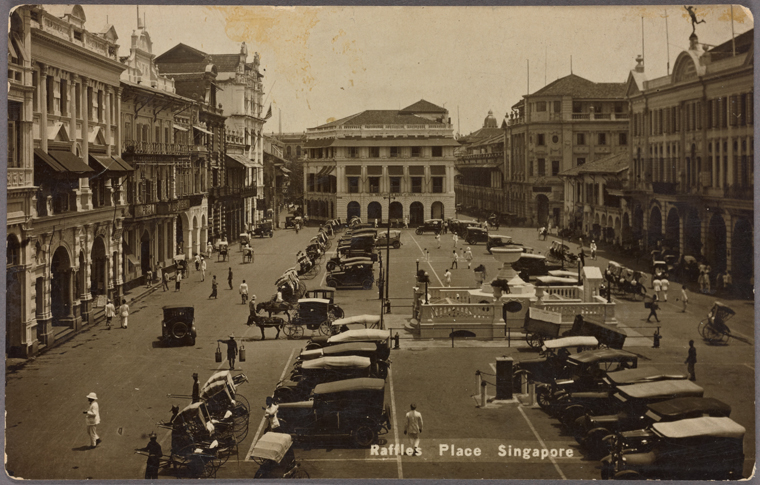
Colonial Rule: Initially a British trading post, Singapore was under colonial rule for years, impacting its initial growth and self-governance.
-
Japanese Occupation: During World War II, Singapore was occupied by the Japanese, causing social and economic devastation.
Independence and Early Years
-
Political Instability: Singapore joined the Federation of Malaysia in 1963 but was expelled in 1965, leading to sudden independence and associated political and economic instability.
-
Lack of Resources: Singapore had no natural resources, a limited land area, and depended heavily on Malaysia for water and other essentials.
Economic Challenges
-
Unemployment: High unemployment rates plagued the young nation. For instance, in the early 1960s, unemployment was estimated at around 14%.
-
Lack of Capital: There was little investment or capital to stimulate economic growth, making it difficult to establish local industries.
Social and Demographic Issues
-
Ethnic Tensions: The population comprised a mix of ethnicities, leading to social tensions. The 1964 race riots serve as a potent example.
-
Poor Housing and Infrastructure: Overcrowded slums and inadequate infrastructure were prevalent. The Bukit Ho Swee fire in 1961, which left thousands homeless, highlighted the urgency of addressing housing issues.
Governance and Security Concerns
-
Political Immaturity: The absence of experienced politicians and bureaucrats made governance difficult.
-
External Security Threats: Being a small and newly independent nation, Singapore was vulnerable to external threats, including piracy and territorial disputes.
Overcoming Challenges: The Singapore Story in Detail
Singapore’s transformation from a resource-poor island into a global powerhouse is a case study in overcoming adversity. Below, we look at the key strategies and initiatives that helped Singapore surmount its challenges.
Political Stability
-
Strong Leadership: The People’s Action Party, led initially by Lee Kuan Yew, provided strong and stable governance. They emphasized long-term planning and the rule of law.
- Example: The Corrupt Practices Investigation Bureau was strengthened to crack down on corruption, ensuring a transparent governance system.
Economic Development
-
Export-Oriented Industrialisation: Singapore attracted foreign investment and focused on manufacturing goods for export.
- Example: The government offered tax incentives to foreign companies like Texas Instruments, which set up factories, providing jobs and boosting the economy.
-
Free Trade and Port Development: Singapore positioned itself as a global trading hub by investing in port infrastructure and promoting free trade.
- Example: The development of the Port of Singapore made it one of the world’s busiest ports by cargo tonnage.
Housing and Infrastructure
-
Public Housing: The Housing and Development Board (HDB) was established to address housing shortages and improve living conditions.
- Example: The Pinnacle@Duxton, an iconic HDB development, showcases the success of public housing, offering both quality and affordability.
-
Urban Planning: Long-term, strategic urban planning helped make the most of Singapore’s limited land.
- Example: The development of the Marina Bay area transformed it from the sea into prime real estate, also serving as a tourist attraction.
Social Harmony
-
National Service: Mandatory military service was introduced to build national identity and ensure security.
- Example: The two-year National Service programme has been effective in fostering social cohesion and providing basic military training to all male citizens.
-
Ethnic Integration Policy: To prevent racial enclaves and ensure a mixed-community living, the government introduced the Ethnic Integration Policy.
- Example: In HDB estates, there are quotas for different ethnic groups, ensuring that no single group is disproportionately represented.
Education and Skills Development
-
High-Quality Education: Singapore invested heavily in education to develop a skilled workforce.
- Example: Singaporean students regularly score high in international assessments like the Programme for International Student Assessment (PISA).
-
SkillsFuture: A national movement aimed at providing Singaporeans with the skills needed for the future economy.
- Example: SkillsFuture Credit gives citizens a budget to take up courses that will enhance their job prospects.
Financial Prudence
-
Reserve Management: Singapore accumulated foreign exchange reserves to safeguard against economic volatility.
- Example: The Monetary Authority of Singapore (MAS) manages the country’s reserves, which rank among the largest globally.
-
Sovereign Wealth Funds: Investment vehicles like Temasek and GIC were established for better capital allocation.
- Example: Temasek’s successful investment in Alibaba showcased its financial acumen, bringing substantial returns.
Key lessons to be learned from the development of Singapore
- Importance of Strong Governance: One of the lessons from Singapore’s development is the need for strong, transparent governance. The establishment of robust institutions like the Corrupt Practices Investigation Bureau set a standard for integrity and accountability.
- Example: This strong governance allowed for foreign investment to flow in, as companies were assured of a stable, corruption-free business environment.
- Strategic Economic Planning: Singapore demonstrates how strategic planning can offset natural disadvantages. Its focus on becoming an export-oriented industrial hub is a case in point.
- Example: Offering tax incentives to companies like Texas Instruments not only generated jobs but also positioned Singapore as an attractive destination for foreign capital.
- Infrastructure Investment: The importance of investing in quality infrastructure is another lesson. Good infrastructure is both a cause and effect of economic prosperity.
- Example: The development of the Port of Singapore gave the country a competitive edge in global trade and continues to be a significant revenue generator.
- Social Cohesion Through Policy: Singapore showed that policies could be tailored to enhance social harmony. The National Service and Ethnic Integration Policy has been crucial in fostering a sense of unity among diverse groups.
- Example: The quota system in public housing ensures a balanced ethnic representation, reducing the likelihood of racial tension.
- Education as a Long-Term Investment: The strong emphasis on education ensures a highly skilled workforce, which is essential for sustaining economic growth.
- Example: Singaporean students consistently perform well in international tests like PISA, underlining the success of its education policies.
- Adaptability and Future-Proofing: The SkillsFuture initiative is a testament to Singapore’s forward-looking approach, equipping its workforce with skills for the future.
- Example: The SkillsFuture Credit allows citizens to upskill, preparing them for shifts in the job market, such as automation.
- Financial Prudence and Diversification: Singapore teaches the importance of prudent financial management and diversification through its sovereign wealth funds and reserves.
- Example: Temasek’s diverse portfolio, including a lucrative investment in Alibaba, illustrates the effectiveness of diversification as a risk mitigation strategy.
- Sustainability and Environmental Planning: The country also sets an example in sustainability through urban planning and green initiatives.
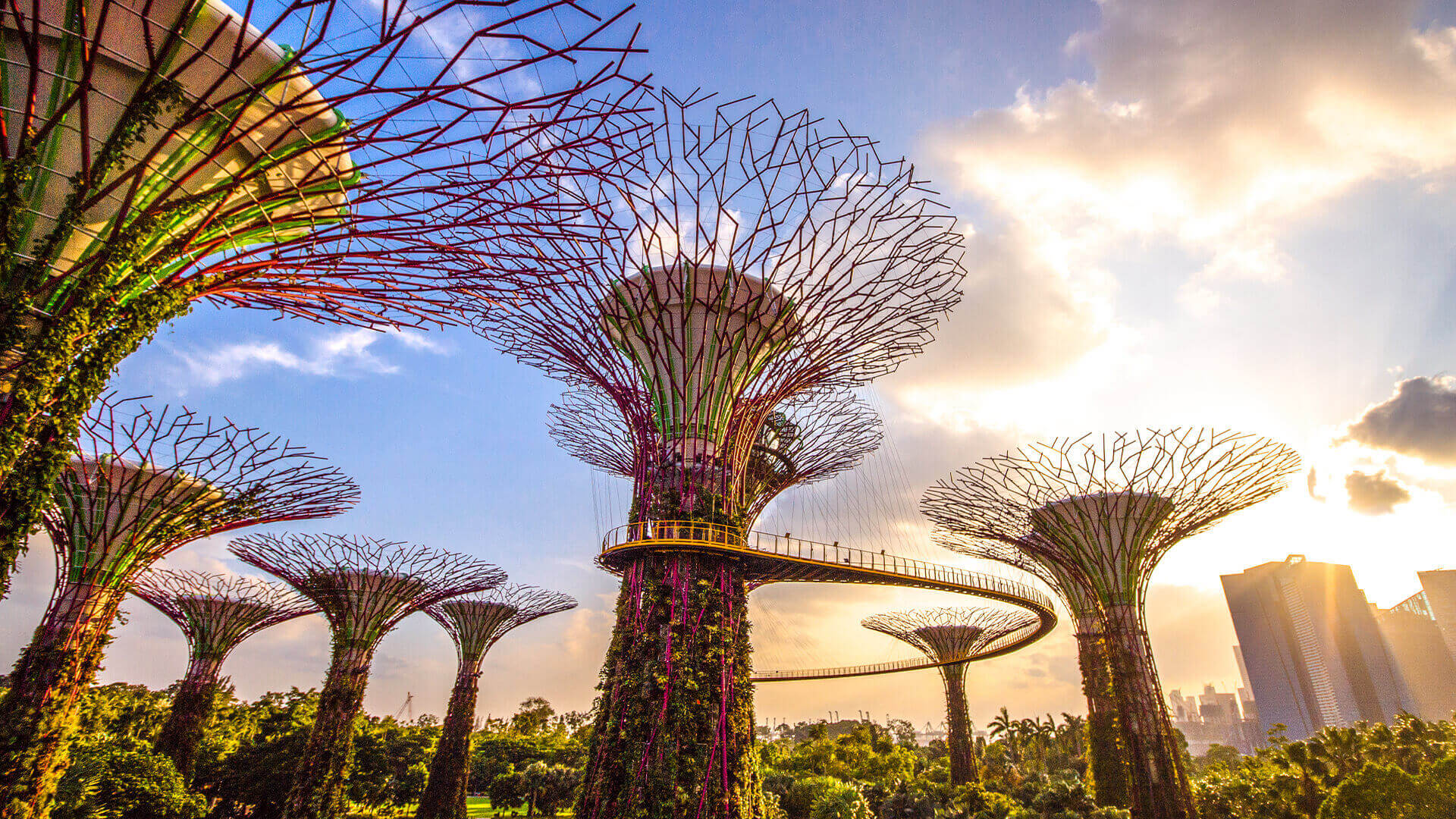
- Example: The Gardens by the Bay project is not just a tourist attraction but an embodiment of Singapore’s commitment to sustainability.